Today, artificial intelligence is the backbone of contemporary SEO and has revolutionized content creation to analyze data at scale, process user intent signals more effectively and create content that drives quantifiable growth. 86% of SEO professionals use AI in their workflows for better organic traffic, surveys show.
If you’re considering new SEO strategy ai practices, or if you’re interested in the future of ai in SEO, this article will provide a range of strategic ideas and digital marketing agencies like MoreKeting integrate AI to scale client results.
1. Enhancing Keyword Research and User Intent Analysis
How Does AI Enhance Keyword Research and User Intent Analysis?
AI-powered keyword research uses machine learning to analyze search patterns in real time, uncovering high-value terms that align with evolving user intent and improve ranking potential. By processing vast query logs and click-stream data, AI helps marketers focus on phrases with commercial and transactional value, reducing manual guesswork and accelerating strategy development.
But there is more magic yet. AI also makes your understanding of what the user wants better. AI can help to interpret the context of queries to separate informational, navigational and transactional intent. You’re then able to generate content that exactly meets the needs of what your users are searching for, a win-win situation for both conversion and engagement.
In other words, AI turns keyword research from a manual chore that takes hours to complete into a dynamic, data-driven activity. You’re not simply staying updated on SEO trends by using AI, you’re getting ahead of the game.
What AI Tools Improve Keyword Discovery and Predictive Analytics?
- Semrush Keyword Magic applies neural networks to clustering semantically close terms and extracts their search volume predictions.
- Ahrefs Keywords Explorer uses clickstream data to test for topic classification and trend discovery.
- Moz Keyword Explorer incorporates machine learning into difficulty scores and opportunity analysis.
- Google Natural Language API does entity extraction for clustering of topics
These AI tools cut research time by up to 80 percent and reveal nuanced semantic relationships that inform more targeted content briefs.
How Does AI Understand and Optimize for User Search Intent?
AI removes much of the guesswork when it comes to simply understanding how users are behaving, and sorts queries into one of three buckets: informational, navigational or transactional. By studying historical click patterns or session signals and even some dwell time, AI constructs a predictive model of what people really want.
Natural language processing tech analyzes context, synonyms and sentiment to make sure content formats like guides, product pages or comparison tables match the intent behind each search. The result is pages that meet clear user needs, increase engagement, and play well with modern search engines.
What Are the Benefits of AI-Driven Keyword Research for SEO Performance?
Using AI-enhanced SEO tools delivers three game-changing advantages:
- Precision targeting through real-time trend identification, making sure your content taps into the latest search behaviors.
- Improved content relevance via semantic clustering, connecting related keywords and concepts in ways humans might miss.
- Resource efficiency by automating repetitive analysis, freeing marketers to focus on strategy and creativity.
These benefits translate into higher click-through rates, lower bounce rates, and sustained ranking improvements as search engines reward content that directly answers queries. By combining technology, predictive analytics, and modern SEO tools, AI empowers marketers to anticipate user intent and craft content that dominates the search engine results page.
2. Revolutionizing Content Optimization and Creation
In What Ways Is AI Revolutionizing Content Optimization and Creation?

AI is revolutionizing content optimization and creation by acting like a digital architect and a master chef rolled into one. It studies user behavior, search patterns, and query trends to design and “cook up” content that resonates with both readers and search engines. Instead of relying on guesswork, AI analyzes massive amounts of data to identify what topics, keywords, and content formats will perform best. In short, AI turns content strategy from a trial-and-error process into a precise, data-driven system that delivers results faster and smarter.
Understanding Search Engine Algorithms and User Queries
AI operates as a detective for search engine algorithms, sorting through pieces of data to find and spot patterns in which people search. This detective work helps marketers to predict what people will want and need, as well as the type of content they should create, in order to rank on Google’s first page. According to Azarian Growth, Google’s Search Generative Experience acts as a kind of highfalutin sous-chef — layering traditional ranking methods with the powerful insights of AI so that users are served up instant, contextually aware answers to their questions about the world.
Real-Life Examples of AI in Action
MoreKeting’s AI Assistant
At MoreKeting, with every full package of webpage developed on our platform, we give an AI assistant. This AI assistant can also be configured for lead generation and form submissions, converting visitors into actionable prospects. It turns knowledge about what used to be a black box engagement process into an efficient strategy, driver of real results.
Wix’s AI Blog Writing Tool
According to a report on The Verge, Wix offers an AI service which works as a personal content chef, serving up whole blog posts with SEO-friendly keywords, headers and meta descriptions. This software ensures that small businesses and marketers remain focused on their brand, always in line with the topics that matter, and navigate to complex search algorithms without breaking a sweat.
What Role Does Natural Language Processing Play in AI Content Optimization?
Imagine you’re a chef crafting the perfect dish. Natural Language Processing (NLP) is your secret ingredient, helping you understand the subtle flavors of user intent and the nuances of language. According to Semrush, NLP allows AI to analyze context and patterns in language, enabling search engines to better understand what users are looking for and deliver relevant results.
Enhancing Search Optimization with NLP
Your NLP frameworks are your test tasters, tasting how semantically dense an article is, what E-E- A-T signals it contains and how readable the text actually is. They find the spots where your content falls short – such as weak entity coverage or missing topic angles. With structural changes, like adding FAQ’s or expanding on your case studies, you improve the topical authority of the content and its prospects for a featured snippet.
Customization: Writing for Your Audience
Kind of like how a cook modifies a dish for different tastes, NLP lets AI customize content for the people you care about. AI can use this data to recommend content changes that are the most effective among your audience, making their experience better and keeping them engaged.
Pro Tip: To really put NLP to work for you in your content optimization, start thinking like a search engine.
Organize your content into clear sections and subheadings, sprinkle in synonyms and other semantically-related keywords, and make sure you’re fully satisfying the user’s intent. This tactic doesn’t just help you in terms of content relevancy; it also allows more visibility in the search engine results.
3. Transforming Technical SEO Audits and Site Performance
How Is AI Transforming Technical SEO Audits and Site Performance?

Think of AI as a super-efficient site mechanic for your website. Instead of manually poking around to find broken links, slow-loading pages, or confusing redirects, AI engines crawl your site, spot issues, and even tell you which fixes will have the biggest impact on your search rankings. It’s like having a GPS that not only finds traffic jams but also reroutes you to the fastest path to the top of the search engine results page.
Which AI Tools Are Used for Automating Technical SEO Audits & Crawl Budget Optimization?
Sites like DeepCrawl and Botify are the AI co-pilots for your site. They simulate user paths, follow the redirect chains and also alert you to those orphan pages that no one – not even Google – can find. By reviewing server logs, they can anticipate and suggest remedies for crawl-budget waste. Ensuring search bots allocate resources to the URLs that matter most. Sites running AI-powered audits on a regular basis are experiencing faster indexation and better search performance overall.
Quick Tip: Think Like a Bot
A simple way to optimize AI audits is to “walk in the shoes” of a search bot. See how the delivery of your pages and landing page, too, the traffic to your internal links and access to priority pages are performing. AI will do the heavy lifting, but your human touch makes sure that everything on your site feels intuitive to both users and search engines.
4. Streamlining Link Building and Authority Development
How Does AI Streamline Link Building and Authority Development?

By automating prospect research and outreach personalization, AI tools accelerate backlink acquisition and domain authority growth.
What AI Outreach Tools Improve Backlink Prospecting and Analysis?
Solutions like Pitchbox and Linkody use NLP to identify relevant domains, extract contact details, and craft customized email templates. They predict outreach success rates by analyzing past response data and suggest follow-up timing for maximum conversion.
How Can AI Help Monitor Competitor Links and Domain Authority?
AI-powered backlink trackers ingest competitor profiles and apply anomaly detection to highlight new high-value links or lost citations. They assign authority scores by evaluating anchor-text diversity, link velocity, and topical relevance, enabling marketers to replicate successful acquisition patterns.
What Are Effective AI-Driven Link Building Strategies for SEO Growth?
- Automated Prospect Scoring – Rank targets by domain relevance and link difficulty
- Personalized Outreach – Use AI-generated intros based on page context
- Content-Based Link Bait – Employ generative AI to draft data-driven assets that attract natural links
5. Enhancing Personalized User Experience and Predictive SEO
How Is AI Enhancing Personalized User Experience and Predictive SEO?
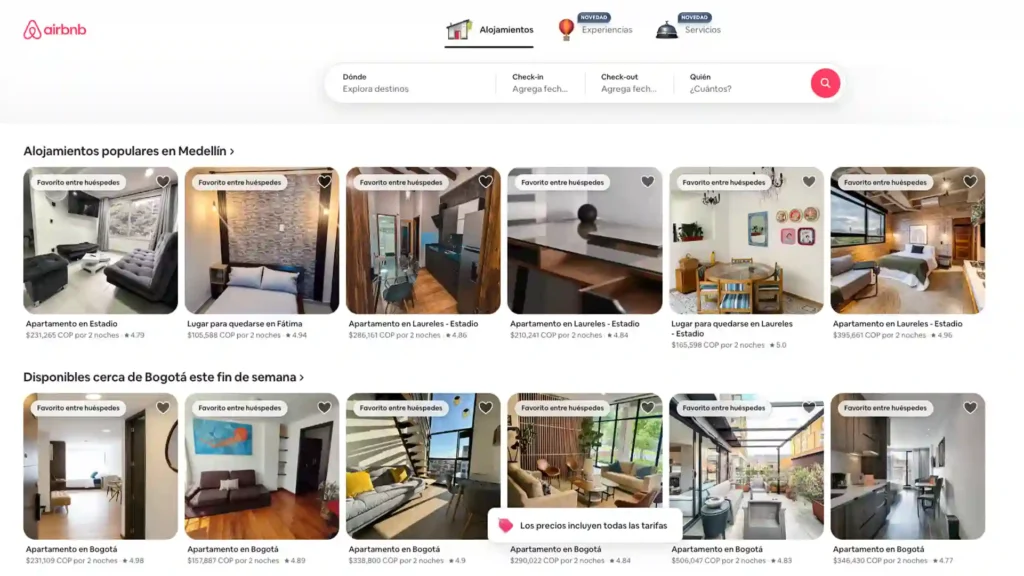
Think of your website as a brilliant concierge that remembers what every guest likes. AI has begun to do just that by personalizing search results and content curation according to users’ patterns. The payoff: more engagement, repeat visits and conversions.
AI Filtered Searches: How Do Search Results Get Personalized with AI Based on User Behavior?
AI algorithms are like vigilant escorts, monitoring users’ click-through patterns, time-on-site and on-page activity. SERP rankings for returning visitors are adjusted on-the-fly, promoting pages that have traditionally ranked well. As Neil Patel explains, this personalization is what makes sure your site visitors are getting served content in a way that is most relevant for them and that will keep them coming back.
What Is Predictive SEO and How Does AI Forecast Search Trends?
Predictive SEO is like having a crystal ball for your content strategy. By analyzing time-series data and external signals such as social media trends, AI anticipates emerging queries. Marketers can integrate forecasted keywords into content calendars ahead of peak demand, capturing first-mover advantages and maintaining consistent organic visibility as interest grows.
Key AI Benefits for Personalized UX and Predictive SEO
AI Feature | What It Does | Benefit for Your Site |
Personalized SERP Adjustments | Tracks visitor behavior and adjusts rankings dynamically | More relevant content and higher user engagement |
Predictive SEO | Forecasts emerging keywords and search trends | Capture first-mover advantage and maintain organic visibility |
AI-Driven UX Testing | Continuously evaluates design elements | Maximizes conversion rates and improves user satisfaction |
Content Recommendations | Suggests related articles or products based on behavior | Boosts time on site and repeat visits |
Automated A/B Testing | Tests variations in real time | Identifies highest-performing layouts without guesswork |
What Are the Best AI SEO Tools and How Do They Compare?
Choosing the right AI solution depends on your primary SEO focus, budget, and integration requirements. The table below contrasts top platforms across key functions.
Platform | Core Function | Primary Benefit | Integration |
Semrush | Keyword & Content Analytics | Robust predictive volume metrics | CMS plugins |
Ahrefs | Backlink & Rank Tracking | Comprehensive link database | API access |
SurferSEO | Content Optimization | Real-time NLP-based suggestions | Editor extensions |
Frase | Topic Research & Briefing | Automated outline generation | Google Docs, Word |
DeepCrawl | Technical Audit | Crawl budget and error prioritization | BI tools |
Which AI Tools Are Most Effective for Keyword Research and Content Creation?
Semrush and Frase excel in keyword discovery and automated content brief generation. Their entity-driven suggestions ensure semantic coverage and actionable outlines.
How Do AI SEO Tools Differ in Technical SEO and Link Building Functions?
DeepCrawl and Botify specialize in site audits and crawl-budget analysis, whereas Pitchbox and Linkody focus on outreach automation and backlink scoring, highlighting the importance of matching tools to use cases.
What Factors Should Marketers Consider When Choosing AI SEO Software?
- Data Sources: Ensure access to reliable clickstream and indexing data
- Integration: Check compatibility with CMS and reporting dashboards
- Scalability: Confirm platform performance on large site crawls
- Pricing: Assess ROI based on time saved and traffic uplift
Careful evaluation across these dimensions ensures you adopt tools that deliver measurable SEO gains.
Ethical Considerations Every SEO Expert Should Know When Using AI
Artificial intelligence is a powerful way to improve content and performance on the search engine results page, but it’s not foolproof. Think of it as a high-tech kitchen implement; it can crank out content speedily, but if the machine isn’t monitored, there may be something tasteless, redundant or off-key about what emerges.
Too much AI and your content risks becoming formulaic, producing vanilla messaging that misses the mark on what resonates with your audience. Privacy laws may impose limitations on the collection and usage of behavioural data, which affects information retrieval as well as personalized recommendations. Text generated by AI, unsupervised by a human, can generate false facts or subconscious biases that could drive a wedge between your target audience and you.
Key Ethical Pitfalls and Considerations
- Content Homogenization: Overusing AI can make the content too generic (and not as appealing on the SERP).
- Brand Voice Drift: When AI texts and words are not in line with your brand’s tone of voice, it may mislead your target audience.
- Privacy Compliance: The misuse of behavioural data could put you in breach of regulation and into the target zone for damaging your marketing strategy.
- Factuality and Bias: AI-generated content can be biased without AI even knowing the same, which could affect information retrieval.
- Overreliance: There will always be a need for human supervision to guide content, fact-check and ensure the strategy is aligned.
How Can Businesses Prepare for Ongoing AI-Driven SEO Evolution?
Here are the fundamental guidelines that businesses striving to remain ahead in an AI-driven search environment can follow:
- Teach AI literacy: Re-skill your employees to use AI tools and ethical rules for content generation in the service of your target audience.
- Create governance processes: Validate the accuracy of AI outputs and ensure they meet your marketing strategy.
- Take advantage of your strategic partners: Partner with agencies that use both machine efficiency and human oversight, such as link building strategies for authority encouragement.
- Combine human intuition with AI intelligence: be flexible to new algorithms, retain control, and achieve sustainable growth while ensuring the way you create your content stays in line with what our audiences want.
Ready to elevate your SEO with AI? Partner with MoreKeting digital marketing professionals to produce a future-ready plan which utilizes state-of-the-art AI software, accelerates content creation, fortifies link building and is measurable.